

G13 Seeds
G13


Strength: High + |
Duration: 3 Hours + |
|---|---|
| 25% - 28% | |
| 0.46% |
THC percentages can vary with
growers techniques, conditions,
and grow formulas.

G13 Seeds Feminized - In Stock
For Every $50 Seed Purchase - GET 2 FREE SEEDS
FREE SHIPPING On Orders Over $50


G13 Feminized Seeds Are:
- Feminized Seeds: Most Popular because Female marijuana plants are the only ones that produce "buds” (flowers), which contains the THC, CBN, and CBD.
- Photoperiod Seeds: For outdoor cultivation photoperiod plants are seasonal. Will usually start to flower in August. For Indoor cultivation photoperiod plants will only start to flower when it's exposed 12 hours or more of uninterrupted darkness.
What are G13 Genetics?
Born from an unknown indica lineage, G13 (aka G-13) has earned legendary status as one of the most talked-about powerhouse indica marijuana strains of all time.
G13 THC Levels: 25%–28% Heavy-Hitting Strength
Packing an impressive 25%–28% THC, this heavy-hitting favorite is built for anyone who's ready to leave the day behind and sink into deep, full-body relaxation.
G13 Potency: Deep Relaxation for Evening Use
Best enjoyed at night, this classic indica is all about slowing things down, helping you unwind, and ending the day on the most relaxing note possible.
G13 Strain |
|||
|---|---|---|---|
 |
|||
| Unknown Indica | |||
| Indica | Sativa | ||
| CBD | Hybrid | ||
 Genealogy
You'll be glad you got your G13 seeds from Holi Moli. Where service and quality is #1.
What Are The Effects of G13?
User Reviews
Relaxed: 94%
Sleepy: 87%
Euphoric: 78%
Hungry: 61%
Uplifting: 56%
Couch-Lock: 49%
Calming: 43%
G13 Experience: Happy, Relaxed, and Deeply Calming
Had a long day and ready to finally put your feet up? This legendary indica delivers the kind of full-body relaxation that makes it easy to leave the day's worries behind.
Expect an uplifting sense of happiness and a more sociable mood early on before a soothing wave of calm gradually settles over both mind and body, making the couch feel more inviting with every passing minute.
While the high may start out a little more social, this isn't the marijuana strain most people reach for before a party or busy afternoon. It's much better suited for evenings, weekends, or those well-earned days off when you've got nothing on the agenda except relaxing.
Fire up your favorite movie, put on some music, or simply enjoy the peace and quiet. As the experience continues, don't be surprised if the munchies start kicking in before a restful night of deep relaxation takes over.
Responsible marijuana use within one's tolerance levels can produce pleasant effects - avoid excessive intake.
Can G13 Help Medically?
User Reviews
Stress: 83%
Insomnia: 82%
Chronic Pain: 77%
Appetite Loss: 74%
Arthritis: 71%
Inflammation: 69%
Depression: 67%
G13 Medical Benefits: Relief for Chronic Pain, Stress, and Insomnia
Living with constant aches and pains can make even the simplest days feel exhausting. Thanks to its deeply relaxing full-body effects, this classic strain has become a popular choice among many medical cannabis patients seeking relief from chronic pain, arthritis, inflammation, fibromyalgia, muscle spasms, migraines, and headaches. As the calming body high settles in, many users find it easier to relax and take a break from persistent physical discomfort.
When everyday stress starts piling up, this heavy-hitting marijuana strain is often the one patients reach for at the end of the day. It's commonly chosen to help manage stress, anxiety, PTSD symptoms, and depression, helping quiet a racing mind and replace it with a greater sense of calm, relaxation, and overall well-being.
Loss of appetite, persistent nausea, and sleepless nights can take just as much of a toll as physical discomfort. Many patients turn to this classic indica to help stimulate their appetite, ease nausea, and make it easier to fall asleep.
While many users report relief, cannabis affects everyone differently. Reported effects are based on consumer experiences and may vary from person to person. Always consult a healthcare professional before using cannabis medically.
How Does G13 Taste?
User Reviews
Pine: 90%
Earthy: 81%
Woody: 77%
Sweet: 60%
Spicy: 53%
G13 Flavor: Earthy Pine, Herbs, and Sweet Spice
If you're a fan of classic old-school indica flavors, this one won't disappoint. Expect a rich blend of earthy pine and woody herbs on the inhale, followed by subtle notes of peppery spice and just a touch of sweetness on the exhale.
That taste comes from a terpene profile rich in myrcene, caryophyllene, and pinene. Together, they give this powerhouse indica its earthy foundation while layering in hints of fresh pine, warm spice, and herbal notes that make every puff smooth, flavorful, and easy to come back to.
How Does G13 Smell?
User Reviews
Pungent: 96%
Musky: 80%
Pine: 72%
Skunky: 69%
Sweet: 55%
G13 Aroma: Earthy, Musky, and Pungent
If loud grow-room aromas are your thing, you're going to love watching these sticky flowers mature. As bloom progresses, the air fills with a pungent mix of rich earth, forest-like freshness, and a musky, slightly spicy funk that's hard to ignore.
Much of that unmistakable scent comes from a terpene profile featuring myrcene, caryophyllene, and pinene. Those three terpenes work together to produce the deep earthy aroma, subtle herbal character, and crisp natural freshness that have helped make this legendary cannabis strain so recognizable over the years.
G13 Terpene Profile & Dominant Terpenes
« Myrcene « Caryophyllene « Pinene « Limonene «
G13 Terpenes
Terpenes creates the scents and flavors - they vary depending on the growing conditions, curing process, and individual plant phenotypical expression.
G13 Strain Difficulty: What Every Grower Should Know
Grower Feedback
G13 is a beginner-friendly cannabis strain that can be grown indoors and outdoors, making it a solid first choice for new growers. This indica-dominant strain stays relatively compact and easy to manage, especially in indoor setups. It’s fairly forgiving with small mistakes and doesn’t require complicated techniques to get good results.
Flowering Time 56–63 Days
-- Outdoor Grow (Full Sun / In Ground) --
Height: 5-6 Ft Plus
Yield: 1 1/2 - 2 1/2 Plus lbs. Cured
How to Grow G-13 A Step-by-Step Cultivation Guide
Mold & Pest Resistance of G-13
Those dense, resin-covered flowers are one of the reasons G13 has remained so popular for decades, but they also deserve a little extra attention later in flower. As the buds continue filling in and tightening up, maintaining good airflow and keeping humidity under control becomes increasingly important.
Excess moisture trapped around developing flowers can create favorable conditions for mold, mildew, and bud rot if conditions are allowed to get out of hand.
A little prevention goes a long way. Holi Moli Eliminator can help eliminate common pests like spider mites, aphids, thrips, and fungus gnats while also helping reduce the chances of mold, mildew, and bud rot becoming an issue as those crystal-covered flowers continue maturing.
How to Germinate Seeds
Strong roots are the foundation of every successful grow. Giving seedlings the best possible start helps support sturdy growth, strong branching, and the kind of plant structure needed to support those dense flowers later in bloom.
Follow Holi Moli's germination and transplanting guide to encourage quick sprouting, healthy taproot development, and vigorous early growth from day one.
Nutrient Sensitivity
G13 isn't usually considered a particularly heavy feeder and often performs best when nutrients stay balanced from start to finish. Piling on extra fertilizer doesn't lead to bigger harvests, and too much nitrogen during flower can affect aroma, terpene production, and overall bud quality. Keeping an eye on runoff pH is also a good way to catch nutrient issues before they start affecting plant performance.
Looking for a simpler feeding routine? Holi Moli Juice provides everything plants need from veg through flower in one cannabis-specific formula. It helps support steady growth, strong terpene expression, and the kind of sticky flowers growers have loved from these legendary genetics for years.
Odor Control
One thing G13 has never been known for is being discreet. As flowering progresses, the grow room starts filling with notes of earthy hash, pine, spice, and old-school skunk that become harder to ignore with each passing week. By the end of flower, that unmistakable aroma can easily drift beyond the grow space if you aren't prepared.
A quality carbon filter is one of the best investments indoor growers can make. Outdoor growers should also think carefully about placement, because these pungent plants can attract attention long before harvest day arrives.
Stretching & Canopy Management of G-13
Canopy management is usually pretty straightforward with these old-school indica genetics, but don't let that fool you into ignoring the plant structure altogether. The canopy can fill in surprisingly fast once flowering begins, making airflow and light penetration much easier to manage when addressed early rather than after things start getting crowded.
Trying to stay ahead of the canopy? Many indoor growers switch to 12/12 when plants are around 20–24 inches tall (typically around week 5–6). Making the transition before the grow space starts filling up leaves you with much more room to work with later in flower.
Branch Support for G-13
As flower production starts ramping up, branches can end up carrying more weight than you'd expect.
Providing a little extra support early is usually much easier than trying to fix problems later. Stakes, plant yoyos, or a trellis net can all help keep branches upright and protect your harvest as the buds continue putting on size.
Indoor to Outdoor Transition
Thinking about starting seeds indoors before moving them outside? One of the easiest ways to make that transition smoother is to run your indoor lights around 14–15 hours per day from the beginning. Doing so helps narrow the gap between indoor and outdoor light schedules, reducing stress once plants finally make the move outdoors.
Don't just put them straight into full sun and hope for the best. Plants raised indoors need time to adjust to natural sunlight, so start with partial shade and gradually increase sun exposure. A light-colored shade cloth can also help make the transition easier while plants acclimate to outdoor conditions.
Pay close attention to light-hour changes during the move. A reduction of roughly 25% or more can be enough to trigger flowering. For example, moving plants directly from an 18-hour indoor schedule to roughly 13.5 hours of natural daylight outdoors can be enough to send them into premature bloom.
Growing G13 in Mediterranean Climates: Dense Buds & Sunny Days
Mediterranean climates are a natural fit for G13. Long sunny days, warm temperatures, and lower humidity levels help create the kind of environment where compact plants, dense buds, and impressive resin production can really shine. When conditions cooperate, growers are often rewarded with beautiful flowers and dependable harvests by the end of the season.
Give these indica plants all the sunshine you can. Open growing areas with direct sunlight throughout the day and plenty of space around the canopy generally produce much better results than shaded locations where moisture and stagnant air can linger.
Strong sunlight encourages better flower development, healthier growth, and more satisfying harvests by the end of the season. Plants forced to spend their time stretching and reaching for light often produce weaker growth and less impressive results.
Once flowering begins, keeping the growing environment as consistent as possible becomes even more important. Plenty of sunlight, good air movement, and steady care all contribute to healthier flowers and a smoother finish by harvest.
A strong root system makes a noticeable difference once flowering begins, which is one reason many outdoor growers prefer fabric grow bags over traditional plastic containers. Better airflow and improved drainage help create more favorable conditions below the soil line while making excess moisture easier to manage.
Hot weather can be especially tough on roots when containers are sitting in direct sunlight all day. Black plastic pots tend to trap heat around the root zone, while fabric grow bags help keep things cooler while allowing moisture to drain away more efficiently.
Mulch is another simple addition that can pay off throughout the season. It helps hold moisture in the soil longer between waterings while protecting the root zone from excessive daytime heat.
Roots perform best when conditions stay as consistent as possible. Surfaces that remain excessively hot, cold, or damp for long periods can create unnecessary stress below the soil line. Giving grow bags a little separation from the ground helps improve airflow underneath while promoting more stable growing conditions.
A little extra breathing room can go a long way once flowering starts picking up. Proper spacing helps improve airflow around the canopy, allows moisture to dry more efficiently after watering or rain, and gives each plant enough room to develop without crowding its neighbors.
- 10-gallon bags – allow 3.5–4 feet of space
- 15-gallon bags – allow 4.5–5 feet of space
- 20-gallon bags – allow 5–6 feet of space
The amount of root space you provide can have a noticeable impact on plant size by the end of the season. Larger grow bags generally support stronger growth and larger harvests, while smaller containers can be a practical option when space is limited or you want to keep plants easier to manage.
Good airflow still matters, even in a Mediterranean climate. Keeping fresh air moving through the canopy helps create better conditions around developing buds while making moisture easier to manage once bloom production starts picking up.
Morning watering is usually the better approach. Giving plants all day to use that moisture helps prevent damp conditions from lingering around the canopy after the sun goes down.
A clean grow is always easier to manage than a problem-filled one. Holi Moli Eliminator can help prevent and eliminate common garden pests like spider mites, aphids, thrips, and fungus gnats as well as mold, mildew, and bud rot.
Growing G13 in Subtropical Zones: Humidity, Airflow & Flower Protection
G13 performs well in subtropical climates, but those compact buds are going to need a little extra attention once humidity starts climbing. Warm temperatures and lingering moisture can create additional challenges later in flower, making airflow and moisture management increasingly important as bloom production ramps up.
Humidity has a way of sticking around in subtropical climates, which is one reason morning watering usually works best. Giving plants all day to use that moisture helps create drier conditions around the canopy before evening humidity starts settling back in.
If temperatures spend days above 90°F, a white shade cloth can help take some of the edge off the afternoon sun without blocking too much valuable light. That can make a noticeable difference during extended periods of hot weather.
Black shade cloth is best avoided. It tends to absorb and hold heat, often creating hotter conditions around the plants when you're actually trying to cool them down.
Open growing areas help produce the best results in humid climates. Plenty of sunlight and steady natural airflow help moisture dry more efficiently while creating better conditions around the canopy once flowering begins.
Walls, fences, sheds, and other structures can restrict airflow while creating pockets of damp, stagnant air that become harder to manage later in the season. Those conditions are especially important to avoid once the buds start tightening up.
Strong sunlight plays a major role in overall plant performance as well. Plants forced to spend the season stretching for light often produce weaker growth, smaller harvests, and lower flower quality than those grown in full sun.
Container choice can make a noticeable difference outdoors, especially in warm, humid climates. Fabric grow bags are a popular option because they improve drainage and airflow around the roots while making excess moisture easier to manage than traditional plastic pots.
Hot weather can be especially tough on roots when containers spend all day in direct sunlight. Black plastic pots tend to trap heat around the root zone, while fabric grow bags help create cooler conditions below the soil line.
A layer of mulch around each container can also pay off throughout the season. It helps hold moisture in the soil longer between waterings while protecting roots from excessive daytime heat.
Roots perform best when conditions stay as consistent as possible. Surfaces that remain excessively hot, cold, or damp for extended periods can create unnecessary stress around the root zone. Giving grow bags a little separation from the ground helps improve airflow underneath while promoting more stable growing conditions.
A little extra breathing room can make a big difference once flowering starts picking up. Proper spacing helps improve airflow around the canopy, allows moisture to dry more efficiently after watering or rain, and gives each plant enough room to develop without competing with its neighbors.
- 10-gallon bags – 3.5–4 feet apart
- 15-gallon bags – 4.5–5 feet apart
- 20-gallon bags – 5–6 feet apart
The amount of root space you provide plays a major role in overall plant size. Larger grow bags generally support stronger growth and larger harvests, while smaller containers can be a practical option when space is limited or you want to keep plants easier to manage.
When buds start tightening up, moisture management becomes much more important. Keeping fresh air moving through the canopy and staying on top of humidity helps create better conditions around developing flowers while reducing the chances of problems later in bloom.
Keeping Holi Moli Eliminator on hand is an easy way to stay prepared. It can help eliminate pests while also helping reduce the chances of mold, mildew, and bud rot becoming an issue if conditions start working against you.
Growing G13 in Temperate Climates: Beating Fall Weather with Frosty Buds
G13 can produce excellent outdoor results in temperate climates, but cooler fall weather deserves a little extra attention once flowering begins winding down. Damp mornings, rainy stretches, and rising humidity can make moisture management increasingly important later in bloom, especially on plants developing tight, compact buds.
Getting an early start indoors can pay off in a big way. A few extra weeks of growth during spring often leads to stronger roots, sturdier plants, and better overall performance once outdoor conditions are ready. When nighttime temperatures are consistently staying above 50°F, plants can be gradually acclimated to outdoor conditions before settling into full sunlight.
Don't go cramming plants shoulder to shoulder and expecting great results. Plenty of direct sunlight and steady natural airflow help create better conditions around the canopy while making excess moisture much easier to manage once flowering begins.
Walls, fences, sheds, and other structures can create pockets of trapped moisture that become harder to deal with later in the season. Strong sunlight is just as important. Plants forced to spend their time stretching and reaching for light often produce weaker growth, lighter harvests, and lower flower quality than those grown in full sun.
Once flowering begins, keeping the growing environment consistent becomes even more important. Plenty of sunlight, good air movement, and proper spacing all contribute to healthier flowers and a smoother finish by harvest.
Before you go reaching for that black plastic pot, let me explain why container choice matters more than you realize. Fabric grow bags are a popular option because they improve drainage, allow more airflow around the roots, and make excess moisture easier to manage throughout the season.
Warm summer days can be especially tough on roots when containers spend all day sitting in direct sunlight. Black plastic pots tend to trap heat around the root zone, while fabric grow bags help keep things cooler while allowing excess moisture to drain away more efficiently.
A layer of mulch around each container can also make a noticeable difference throughout the season. It helps hold moisture in the soil longer while protecting roots from excessive daytime heat and sudden temperature swings.
Roots appreciate consistency. Surfaces that stay excessively hot during the day or cold overnight can create unnecessary stress around the root zone. Giving grow bags a little separation from the ground helps improve airflow underneath while promoting more stable growing conditions.
Don't make the mistake of treating spacing like an afterthought. Giving plants enough room to breathe helps improve airflow around the canopy, allows moisture to dry more efficiently after watering or rain, and makes life a whole lot easier once flowering starts picking up.
- 10-gallon bags – space 3.5–4 feet apart
- 15-gallon bags – space 4.5–5 feet apart
- 20-gallon bags – space 5–6 feet apart
The amount of root space you provide has a lot to do with how large plants become by the end of the season. Larger grow bags generally support stronger growth and larger harvests, while smaller containers can be a practical option when space is limited or you want to keep plant size easier to manage.
Temperate climates have a way of keeping growers on their toes once fall weather starts settling in. Cooler nights, damp mornings, and rainy stretches can make moisture much harder to manage around developing buds. Watering earlier in the day gives both the soil and canopy more time to dry before evening conditions return.
Rainy weather doesn't always show up at a convenient time. Having a simple rain cover, hoop house, or small greenhouse available can help keep excess moisture off the plants when conditions decide to turn wet for an extended period.
When tight bud structure is exposed to cool, damp conditions for too long, moisture-related problems can develop surprisingly fast. Holi Moli Eliminator can help eliminate common garden pests like spider mites, aphids, thrips, and fungus gnats while also helping reduce the chances of mold, mildew, and bud rot becoming an issue while flowers continue maturing.
Growing G13 Indoors: Heavy Resin & Deep Relaxation
G13 has earned legendary status for a reason. In a well-managed indoor environment, these plants are capable of producing dense, frost-covered buds loaded with resin and the kind of old-school bag appeal that has kept growers coming back for decades. When everything comes together, the final product looks every bit as impressive as its reputation suggests.
Dense bud formation is one reason growers love these old-school indica genetics, but it also means humidity deserves a little extra attention indoors. Daytime temperatures around 70–80°F and nighttime temperatures closer to 65–70°F usually work very well throughout the grow.
During veg, humidity around 55–65% is ideal before gradually dropping into the 40–50% range during flower and eventually finishing around 35–40% as bloom production reaches its peak.
Keeping moisture levels under control becomes increasingly important as the flowers mature. Excess humidity can create problems surprisingly fast once those buds start tightening up.
Good harvests start with strong roots. Giving plants enough room below the soil line helps support sturdy growth and the kind of structure needed to carry quality flowers later in bloom.
Fabric grow bags are a favorite among indoor growers for a reason. Better airflow around the roots and improved drainage help create more favorable growing conditions while making excess moisture easier to manage.
For most indoor setups, 5 or 7-gallon fabric grow bags provide an excellent balance between root space and manageable plant size.
A little canopy management can go a long way indoors. Topping, low-stress training (LST), SCROG setups, and light defoliation all work well for helping improve airflow and light penetration while keeping growth easier to manage.
While these plants aren't usually known for taking over a grow room, they can still get bushy enough to create crowding issues if left unchecked for too long. Taking care of the canopy early is usually much easier than trying to fix it later.
Want to keep things easier to manage? Flip to 12/12 when plants are around 20–24 inches tall (typically around week 5–6). Waiting too long can leave the grow room feeling a lot smaller than it did a few weeks earlier.
One thing this legendary indica has never been known for is staying quiet. As flowering progresses, the grow room starts filling with earthy hash, pine, spice, and classic skunk notes that become harder to ignore with each passing week. By the time flower production reaches its peak, that unmistakable aroma can easily drift beyond the grow space if you aren't prepared.
A quality carbon filter is one of the best investments indoor growers can make.
Airflow matters just as much as odor control. Oscillating fans, dependable exhaust ventilation, and a quality dehumidifier help create better conditions around the canopy while reducing the moisture-related problems that can show up later in flower.
Want to see what these legendary genetics are really capable of? It all starts with your lighting. Weak lights can leave plants stretched, reduce trichome production, and limit overall flower development. Strong lighting helps bring out the dense buds, heavy frost coverage, and classic bag appeal that made this strain famous in the first place.
Light intensity is one of the biggest factors separating average harvests from exceptional ones. Give plants enough intensity throughout flower and the difference often shows up in everything from flower density and resin production to overall harvest quality.
Strong full-spectrum LEDs are hard to beat indoors. Many growers switch from 6500K during veg to 3000K or 3500K during flower, but here at Holi Moli, we've had excellent results running 6500K from start to finish. It has consistently produced frosty flowers, healthy growth, and strong terpene production from seed to harvest.
How to Grow G13 Marijuana:
- To germinate your G13 Marijuana seeds it's best to create an atmosphere indoors of Spring time temperatures. 75F 24/7 is optimal.
- For G13 Marijuana Indoor cultivation use topping and low stress training techniques during vegetative stage to maximize yield.
- For G13 Marijuana outdoor cultivation make sure to choose a spot in your garden that receives at least 8 hours of direct sunlight every day and accommodates for it's size.
- Harvesting G13 Marijuana usually takes place early to mid-October outdoors and indoor plants about 2 months after setting lights to only 12 hrs per day.
- Curing G13 Marijuana using the traditional method involves drying your cannabis slowly over the course of a few weeks in a controlled environment.
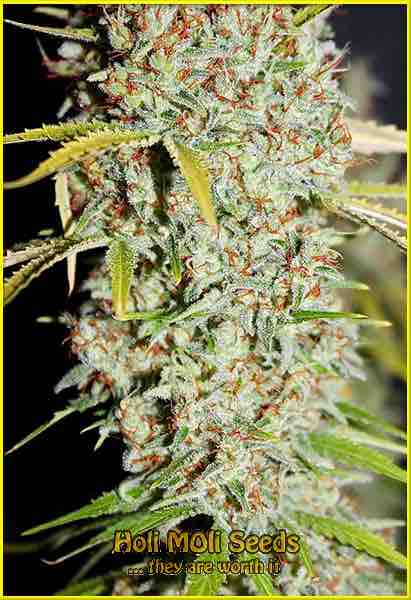
G-13 Appearance: Solid, Resin-Rich Buds with Classic Indica Form
G13 buds have that classic heavy indica look, dense, compact, and tightly packed with a firm, chunky structure. The flowers stack closely along the branches, creating thick, resin-loaded colas with excellent bag appeal.
Expect a heavy coating of sticky trichomes that gives the buds a frosty, almost crystalline appearance, while deep olive green tones and rusty orange pistils add the perfect finishing touch.
Color expression with this strain usually stays in the green spectrum under normal conditions. When nighttime temperatures drop late in flower, you may see subtle purple shading appear in the sugar leaves or along the outer edges of the buds, but it’s not a dominant trait.
Bud appearance changes with growers techniques, climate, grow formulas, and drying / curing.


What are the highest THC strains?
- Fat Bastard - With up to 38% THC this Hybrid is the highest THC strain around. Big Fat Buds!
- Godfather OG - With THC levels up to 34% This old school strain is a great choice.
- Gush Mints - New and exciting with THC levels up around 33% +. Tight frosty nuggets.
- Velvet Lushers - High THC at 33% +. A great yield, easy to grow. Good looking bud!
WANT MORE Strains in Stock
Download our full list of Holi Moli Genetics
Are Marijuana Seeds Legal to Own or Sell?
DEA Says YES according to emails from the DEA, marijuana seeds have no THC content so the schedule 1 drug laws would not apply to marijuana seeds.
Where can I buy seeds?
HoliMoli Seed bank provides great value, fresh high-quality seeds. We have the best strains, Landrace strains, Feminized strains, fast strains, CBD or Autoflowering strains, Whether you call them weed seeds, hemp seeds or beans. We have the seeds you're looking for And We Are Located in Oregon, USA. Get Them TODAY
Call (458) 324-1137 To Order Thank You