

Fruity Pebbles Seeds
FPEB


Strength: Med + |
Duration: 2 Hours + |
|---|---|
| 18% - 22% | |
| 0.66% |
THC percentages can vary with
growers techniques, conditions,
and grow formulas.

Fruity Pebbles Seeds Feminized - In Stock
For Every $50 Seed Purchase - GET 2 FREE SEEDS
FREE SHIPPING On Orders Over $50

Fruity Pebbles Feminized Seeds Are:
- Feminized Seeds: Most Popular because Female marijuana plants are the only ones that produce "buds” (flowers), which contains the THC, CBN, and CBD.
- Photoperiod Seeds: For outdoor cultivation photoperiod plants are seasonal. Will usually start to flower in August. For Indoor cultivation photoperiod plants will only start to flower when it's exposed 12 hours or more of uninterrupted darkness.
What are Fruity Pebbles Genetics?
Fruity Pebbles is a cannabis strain created by crossing four different fan favorites: Green Ribbon, Granddaddy Purple, Tahoe OG Kush, and Alien Kush. Bringing together uplifting effects, deeply relaxing genetics, potent THC levels, and heavy resin production, it's no surprise this flavorful hybrid has remained a favorite among cannabis smokers for years.
Fruity Pebbles THC Level: 18%-21% Balanced Yet Powerful
Testing between 18%-21% THC, this balanced hybrid is versatile enough to enjoy almost any time of day.
Fruity Pebbles Potency: Daytime Positivity Meets Evening Relaxation
Many people enjoy it as a wake-and-bake paired with a cup of coffee, while others reach for it as a midday pick-me-up when they need a little extra motivation or positivity. As the high settles in, the relaxing side begins to shine, making it just as enjoyable later in the day when you're ready to unwind, leave the stress behind, and kick your feet up.
Fruity Pebbles Strain |
|||
|---|---|---|---|
 |
|||
| Green Ribbon x GDP | X | Tahoe Alien | |
 |
|||
| Green Ribbon | X | Tahoe OG Kush | |
| X | X | ||
| Granddaddy Purple | Alien Kush | ||
| Indica | Sativa | ||
| CBD | Hybrid | ||
 Genealogy
You'll be glad you got your Fruity Pebbles seeds from Holi Moli. Where service and quality is #1.
What Are The Effects of Fruity Pebbles?
User Reviews
Energizing: 83%
Euphoric: 81%
Cerebral: 77%
Uplifted: 71%
Mood Boosting: 66%
Relaxed: 59%
Social: 58%
Fruity Pebbles High: Happy, Euphoric, and Deeply Satisfying
If you're looking for a strain that can put a smile on your face and help you enjoy the moment, this fruity hybrid delivers. The high usually starts with an uplifting rush of happiness and euphoria that can leave you feeling more positive, talkative, creative, and ready to enjoy whatever the day throws your way.
Whether you're hanging out with friends, listening to music, watching a movie, or just kicking back around the house, it's easy to see why so many smokers keep coming back to these colorful genetics.
As the experience continues building, the relaxing side begins to show itself without immediately gluing you to the couch. Instead, you get the best of both worlds: an upbeat mental buzz paired with a comfortable body relaxation that makes it easy to unwind and leave some of the day's stress behind.
And fair warning, when the munchies hit, they can hit hard, so you might want to keep your favorite snacks close by.
Responsible marijuana use within one's tolerance levels can produce pleasant effects - avoid excessive intake.
Can Fruity Pebbles Help Medically?
User Reviews
Anxiety: 85%
Stress: 83%
Depression: 82%
Pain: 71%
Migraines: 70%
Insomnia: 46%
Appetite Loss: 44%
Fruity Pebbles Medical Benefits: Support for Stress, Pain, and Anxiety
Fruity Pebbles cannabis has many medical benefits for both mental and physical compaints and conditions. Due to its powerful uplifting and mood-boosting effects, this strain is commonly turned to by patients medicating for anxiety, stress, depression, ADD/ADHD, and mood disorders.
This strain also has pain relieving properties that help alleviate pain caused by migraines, headaches, PMS, back pain, and arthritis and joint pain. Patients have reported feeling more hungry when medicating with this strain, so if you are looking for a strain to help with loss of appetite, eating disorders, or nausea this is the strain for you.
In higher moderations, this strain can cause deep relaxation, leading to couch-lock and sleepiness helping people who suffer from bouts of insomnia.
While many users report relief, cannabis affects everyone differently. Reported effects are based on consumer experiences and may vary from person to person. Always consult a healthcare professional before using cannabis medically.
How Does Fruity Pebbles Taste?
User Reviews
Sugary Berry: 93%
Citrus Candy: 87%
Tropical Fruit: 86%
Creamy Sweetness: 78%
Subtle Earthy: 63%
Fruity Pebbles Flavor: Sweet Berries, Tropical Fruit & Candy
Love sweet, fruity weed? Then you're probably going to enjoy this one. Every puff is packed with sugary berry flavor, tropical fruit, and citrus candy, with just enough creamy sweetness in the background to keep things smooth and enjoyable.
Much of that flavor comes from a terpene profile rich in limonene, caryophyllene, and myrcene, helping create the sweet fruit, citrus, and subtle earthy notes that make this colorful hybrid such a pleasure to smoke. If flavor matters to you, this one belongs on your shortlist.
How Does Fruity Pebbles Smell?
User Reviews
Berry Punch: 84%
Zesty: 83%
Smooth Vanilla: 77%
Pungent Kusk Funk: 73%
Earthy HAsh: 71%
Fruity Pebbles Aroma: Sweet Fruit, Citrus Candy & Loud Terps
The aroma is every bit as enjoyable as the flavor. As these colorful flowers mature, the grow room starts filling with sweet notes of mixed berries, tropical fruit, and citrus candy that can be surprisingly loud by harvest time. Crack open a jar and you'll be greeted by a burst of fruity sweetness backed by subtle earthy undertones and just a hint of Kush-like funk hiding in the background.
Limonene, caryophyllene, and myrcene help shape much of the aroma, creating a smooth blend of sweet fruit, bright citrus, and light earthiness that keeps your nose coming back for another whiff. If you're a fan of loud fruity terps, this flavorful hybrid rarely disappoints.
Fruity Pebbles Terpene Profile & Dominant Terpenes
« Caryophyllene « Limonene « Myrcene « Linalool «
Fruity Pebbles Terpenes
Terpenes creates the scents and flavors - they vary depending on the growing conditions, curing process, and individual plant phenotypical expression.
Fruity Pebbles Strain Difficulty: What Every Grower Should Know
Grower Feedback
Fruity Pebbles can be grown successfully indoors or outdoors, but these colorful genetics tend to reward growers who stay on top of their environment. While it isn't considered one of the most difficult strains to grow, it does appreciate consistent care, proper lighting, and a little attention throughout the grow cycle.
Flowering Time 55–65 Days
-- Outdoor Grow (Full Sun / In Ground) --
Height: 6 Ft Plus
Yield: 1 1/2 - 2 Plus lbs. Cured
How to Grow Fruity Pebbles: A Step-by-Step Cultivation Guide
Mold & Pest Resistance of Fruity Pebbles
Those dense, crystal-coated buds can hold onto more moisture, especially during the final weeks of flowering. While this cannabis strain isn't typically considered highly susceptible to mold, maintaining good airflow and keeping humidity under control becomes increasingly important as harvest gets closer and flower density continues increasing.
Don't give pests, mold, or mildew an opportunity to steal all the hard work you've put into your grow. Holi Moli Eliminator can help eliminate common pests like fungus gnats, spider mites, thrips, and aphids while also helping reduce the chances of mold, mildew, and bud rot becoming a problem as those buds continue packing on weight.
How to Germinate Seeds
Don't underestimate the importance of a good start. Healthy roots are the foundation of every successful grow, helping support stronger growth, healthier plants, and better performance throughout the entire grow cycle.
Follow Holi Moli's germination and transplanting guide to encourage quick sprouting, vigorous taproot development, and strong early growth. A little extra attention during the seedling stage can go a long way once those resin-rich flowers start stacking up later in bloom.
Nutrient Sensitivity
When growing a strain known for sweet candy-like flavors and loud fruity terps, more nutrients isn't always better. These terp-heavy plants typically perform best when feeding stays balanced and consistent throughout the grow.
Once flowering begins, it's a good idea to avoid pushing nitrogen too hard, as excess amounts can affect terpene development, aroma, and overall flower quality. Checking your runoff pH from time to time can also help catch nutrient issues before they start slowing things down.
Want to keep feeding simple? Holi Moli Juice is a cannabis-specific formula designed to provide everything plants need from veg through flower in one easy-to-use solution. It helps support healthy growth, strong terpene production, and the dense, crystal-coated buds growers love seeing at harvest.
Odor Control
Think those sweet berry and tropical fruit aromas are only noticeable when you put your nose directly on the buds? Think again. As flowering progresses, the grow room can quickly fill with candy-like sweetness, fruity terps, and citrus notes that become harder to ignore with each passing week.
If you're growing indoors, a quality carbon filter is highly recommended for keeping those aromas under control. Outdoor growers should also be mindful of where they plant, because once those terpene-rich flowers start developing, the smell can travel much farther than many people expect.
Stretching & Canopy Management of Fruity Pebbles
The plants typically stay fairly manageable in size, making them easier to fit into most grow rooms, tents, and outdoor gardens without constantly fighting for space. While these sweet-smelling plants aren't usually known for becoming towering giants, growers should still expect some stretch once flowering begins and leave themselves enough room for proper canopy development during bloom.
Pro Tip: Switching to a 12/12 light cycle when plants are around 20–24 inches tall (typically around week 5–6) helps keep growth easier to manage while still leaving plenty of room for flower development later in bloom.
Branch Support for Fruity Pebbles
Don't let those medium-sized plants fool you. As harvest gets closer, the branches can end up carrying a surprising amount of weight from all that resin-rich flower production.
Giving branches some added support before they start leaning is usually much easier than trying to fix them after the fact. Stakes, plant yoyos, or a trellis net can all help keep branches upright and protect those crystal-coated buds during the final stretch of flowering.
Indoor to Outdoor Transition
Thinking about getting a head start indoors before moving plants outside? A smooth transition begins long before they ever see direct sunlight. One of the easiest ways to reduce stress is to run your indoor lights around 14–15 hours per day from the start. Doing so helps bring indoor and outdoor light schedules closer together, reducing the shock plants can experience when they're finally moved outside.
Do not place them straight into full sun on day one. Young plants that have spent their lives under indoor lighting need time to adjust to natural sunlight. Start them in a partially shaded location and gradually increase sun exposure while using a light-colored shade cloth to help soften the transition.
Pay close attention to light-hour changes during the move. A reduction of roughly 25% or more can be enough to trigger flowering. For example, moving plants directly from an 18-hour indoor schedule to roughly 13.5 hours of natural daylight outdoors can be enough to send them into premature bloom.
Growing Fruity Pebbles in Mediterranean Climates: Sweet Terps & Frosty Buds
If you live in a Mediterranean climate, you're already giving these terpene-packed plants a great place to grow. Warm days, abundant sunshine, and lower humidity levels help support vigorous growth throughout the season while encouraging strong resin production and the sweet berry, tropical fruit, and candy-like aromas growers have come to expect from this famous hybrid.
Sunlight is one thing you don't want to skimp on with this sweet-smelling hybrid. Choose a growing location where plants can soak up sunshine throughout the day without competing with nearby trees, fences, buildings, or anything else that might cast unwanted shade across the canopy.
Strong sunlight helps support healthier growth, better branch development, and the kind of dense, trichome-covered flowers most growers are hoping to harvest. Plants forced to spend the season reaching for light often produce weaker growth and less impressive results by the end of the season.
Getting the location right from the start makes the rest of the grow much easier. When plants receive plenty of sunlight and have room for fresh air to move through the canopy, they're able to focus their energy on producing healthy flowers instead of competing for light.
What's happening below the soil line is every bit as important as what's happening above it. Healthy roots support healthier plants, stronger growth, and better flower production throughout the season, which is one reason many outdoor growers prefer fabric grow bags over traditional plastic containers.
Hot summer weather can be tough on roots, especially when containers are sitting in direct sunlight all day. Black plastic pots tend to trap heat around the root zone, while fabric grow bags allow for better airflow, improved drainage, and cooler growing conditions during the hottest parts of the season.
A layer of mulch around the base of each plant can also make a noticeable difference. It helps the soil hold moisture longer between waterings while protecting the root zone from excessive daytime heat, making life a little easier on plants when summer temperatures start climbing.
Roots appreciate consistency. Surfaces that absorb excessive heat during the day or stay cold well into the night can create unnecessary stress around the root zone. Elevating grow bags slightly helps improve airflow underneath while creating a more comfortable environment for strong root development throughout the season.
A little extra breathing room can make a big difference once flowering gets underway. Proper spacing helps improve airflow around the canopy, allows branches to dry faster after watering, and gives each plant enough room to develop without competing with its neighbors for sunlight and space.
- 10-gallon bags – allow 3.5–4 feet of space
- 15-gallon bags – allow 4.5–5 feet of space
- 20-gallon bags – allow 5–6 feet of space
Container size also plays a major role in how large plants become outdoors. More root space often translates into more growth above the soil line, while smaller grow bags can make plant size easier to manage when space is limited. Choose the container size that best matches your available space and harvest goals.
Mediterranean weather certainly works in your favor, but dense flowers still appreciate good airflow once bloom production starts ramping up. Keeping fresh air moving through the canopy helps create healthier conditions around the buds while making moisture easier to manage throughout the flowering cycle.
Morning watering is usually the better approach, especially later in the season. Giving plants all day to use that moisture helps prevent damp conditions from lingering around the canopy once cooler evening temperatures settle in.
Those resin-rich buds are far too nice to lose to pests, mold, or mildew. Holi Moli Eliminator can help eliminate common garden pests like spider mites, aphids, thrips, and fungus gnats while also helping reduce the chances of mold, mildew, and bud rot becoming a problem while those sticky flowers continue maturing.
Growing Fruity Pebbles in Subtropical Zones: Humidity, Airflow & Healthy Buds
Fruity Pebbles performs well in subtropical climates, but dense flowers and high humidity can be a challenging combination later in the season. Warm temperatures and lingering moisture make good airflow especially important once bloom production starts ramping up and those sticky buds begin filling out.
Humidity has a way of lingering long after the sun goes down, which is one reason morning watering usually works best in warm, humid climates. Giving plants all day to use that moisture helps create drier conditions around the canopy before evening humidity starts settling back in.
If temperatures spend days above 90°F, a white shade cloth can help take some of the edge off the afternoon sun without sacrificing too much valuable light. Black shade cloth is best avoided outdoors since it tends to absorb and hold heat, often creating hotter conditions around the plants when you're actually trying to cool them down.
Choosing the right location from the start can save you a lot of headaches later in the season. Look for an area that receives sunlight throughout the day and gets plenty of natural airflow. Good air movement helps moisture dry faster after watering, rain, or heavy morning dew while creating healthier conditions around the canopy once flowering begins.
Walls, fences, sheds, and other structures can block airflow and trap both heat and humidity where you don't want them. That's why open growing areas almost always outperform cramped spaces when flowering gets underway.
Plants receiving full sun from morning to evening generally develop stronger branches, produce better-quality flowers, and reward growers with more productive harvests than those spending part of the day in the shade.
Container choice becomes especially important when heat and humidity are part of the equation. Fabric grow bags are a popular option because they allow excess moisture to drain more efficiently while providing better airflow around the roots than traditional plastic containers.
That extra airflow can make a noticeable difference during hot weather. Black plastic pots tend to trap heat around the root zone, while fabric grow bags help create cooler, healthier conditions below the soil line.
Mulch is another simple tool that can pay off in a big way during the summer months. It helps slow moisture loss between waterings while protecting the root zone from excessive daytime heat, making conditions a little easier on plants during long stretches of warm weather.
Healthy roots don't just depend on what's inside the grow bag. Surfaces that hold onto heat during the day, stay cold overnight, or remain damp for long stretches can all create unnecessary stress around the root zone. Giving containers a little separation from the ground helps improve airflow underneath while promoting more consistent growing conditions.
Giving plants a little room to breathe can make life much easier once flowering starts picking up. Proper spacing helps improve airflow through the canopy, allows moisture to dry more efficiently after watering or rain, and gives each plant enough room to develop without crowding its neighbors.
- 10-gallon bags – 3.5–4 feet apart
- 15-gallon bags – 4.5–5 feet apart
- 20-gallon bags – 5–6 feet apart
The amount of root space you provide has a lot to do with how much growth you can expect by the end of the season. Larger grow bags generally support larger root systems and bigger plants, while smaller containers can be a practical option when space is limited or you want to keep plant size a little easier to manage.
Bigger flowers often mean paying a little more attention to moisture levels around the canopy. Keeping moisture under control and maintaining good airflow around the canopy helps create healthier conditions while reducing the chances of problems developing late in flower.
Those resin-rich buds are far too nice to lose to pests, mold, or mildew. Holi Moli Eliminator can help eliminate common garden pests like spider mites, aphids, thrips, and fungus gnats while also helping reduce the chances of mold, mildew, and bud rot becoming a problem as the flowers continue developing.
Growing Fruity Pebbles in Temperate Zones: Cooler Nights & Dense Flowers
Fruity Pebbles can produce some impressive outdoor harvests in temperate climates, but dense flowers and unpredictable fall weather aren't always the easiest combination. Cooler nights, rainy stretches, and rising humidity can make moisture management much more important once bloom production starts winding toward the finish line.
A little extra time indoors during spring can pay off in a big way later in the season. Strong roots and a good start indoors help set plants up for better performance once they make the move outdoors. When nighttime temperatures are consistently staying above 50°F, they can be gradually acclimated to outdoor conditions before settling into full sunlight.
Where you plant can have a big impact on how the season plays out. Look for an open location where plants can soak up sunlight throughout the day while benefiting from good natural airflow. Avoid shaded corners, fences, walls, or other areas where cool, damp air can settle around the canopy.
Strong sunlight helps support healthier growth, sturdier branches, and better flower development throughout the season. Plants forced to spend their time reaching and stretching for light often produce weaker growth and less impressive harvests by the end of the year.
A little planning at the beginning of the season pays off by harvest. Choosing the right location gives plants the light and airflow they need to produce healthier flowers while making the grow much easier to manage from start to finish.
Roots have a big job to do all season long, so giving them a healthy environment is worth the effort. That's one reason many outdoor growers prefer fabric grow bags. Better airflow and improved drainage help create healthier conditions below the soil line while making excess moisture easier to manage.
Direct sunlight can turn black plastic pots into little ovens during hot weather. Fabric grow bags do a much better job of keeping the root zone comfortable while reducing some of the stress that excess heat can create.
A layer of mulch around the base of each plant can also make life a lot easier. It helps hold moisture in the soil longer while protecting roots from excessive heat during the warmest parts of the season.
Roots tend to perform best when conditions stay as consistent as possible. Surfaces that absorb excessive heat during the day or stay cold long after the sun goes down can create unnecessary stress around the root zone. Giving grow bags a little separation from the ground helps improve airflow underneath while creating a more comfortable environment below the soil line.
Plants also appreciate a little breathing room once the season gets rolling. Proper spacing helps improve airflow through the canopy, allows branches to dry faster after rain or watering, and gives each plant enough room to develop without crowding its neighbors.
- 10-gallon bags – space 3.5–4 feet apart
- 15-gallon bags – space 4.5–5 feet apart
- 20-gallon bags – space 5–6 feet apart
The amount of root space you provide can have a big impact on plant size by the end of the season. Larger grow bags generally support larger root systems and more growth above the soil line, while smaller containers can be a practical choice when space is limited or you want to keep plants a little easier to manage.
Temperate climates have a way of keeping growers on their toes once fall weather starts settling in. Cooler nights, damp mornings, and rainy stretches can make moisture much harder to manage around developing flowers. Watering earlier in the day gives both the soil and canopy more time to dry before evening conditions return.
Rainy weather doesn't always show up at a convenient time either. Having a simple rain cover, hoop house, or small greenhouse available can help keep excess moisture off the flowers when conditions decide to turn wet for an extended period.
When cool, damp weather starts hanging around, it's a good idea to have a plan in place. Holi Moli Eliminator can help eliminate common garden pests like spider mites, aphids, thrips, and fungus gnats while also helping reduce the chances of mold, mildew, and bud rot becoming a problem while those sugar-coated flowers finish maturing.
Growing Fruity Pebbles Indoors: Candy Terps & Crystal-Coated Flowers
Fruity Pebbles has been turning heads for years thanks to its incredible bag appeal, sweet candy-like aroma, and heavy trichome production. In a well-managed indoor environment, these plants are capable of producing dense, crystal-coated flowers loaded with flavor and the kind of eye-catching resin coverage that stands out the moment you open a jar.
Good genetics can only take you so far indoors. Daytime temperatures around 70–80°F and nighttime temperatures closer to 65–70°F usually create a comfortable environment for steady growth. During veg, humidity around 55–65% works well before gradually dropping into the 40–50% range during flower and eventually finishing around 35–40% as the buds continue maturing.
As those sticky flowers start getting larger and denser, humidity deserves a little extra attention. Letting moisture get out of hand late in flower can create problems that are much easier to prevent than they are to fix.
Strong flowers start with strong roots. Giving plants enough space below the soil line helps support healthier growth, sturdier branching, and better overall performance once flowering gets underway.
Fabric grow bags are a favorite among indoor growers for a reason. They allow roots to breathe more easily, improve drainage, and help create a healthier growing environment than traditional plastic pots.
For most indoor gardens, 5 or 7-gallon fabric grow bags provide an excellent balance between root space and manageable plant size.
If you're comfortable doing a little canopy work, these plants respond very well to topping, low-stress training (LST), SCROG setups, and light defoliation. These techniques help spread growth more evenly across the canopy while improving light penetration to lower flower sites and creating better airflow around developing buds.
While Fruity Pebbles isn't usually known for becoming a towering indoor plant, growers should still expect some stretch once flowering begins. The canopy can fill in faster than many people expect during the first few weeks after the flip, especially when plants have been given plenty of time to veg beforehand.
Pro Tip: Flip to 12/12 when plants are around 20–24 inches tall (typically around week 5–6). Making the transition before the canopy gets too crowded helps keep growth easier to manage while still leaving plenty of room for healthy flower production later in bloom.
Just because a strain smells like fruit and candy doesn't mean it's going to stay discreet. As flowering progresses, the grow room can quickly fill with sweet berry, tropical fruit, and citrus candy aromas that become harder to ignore with each passing week. By the time those resin-covered flowers are fully developed, the smell can travel much farther than many growers expect.
A quality carbon filter is highly recommended if odor control is important in your grow space.
Airflow matters just as much as odor control. Oscillating fans, dependable exhaust ventilation, and a quality dehumidifier help create healthier conditions around the canopy while reducing the moisture-related problems that can show up once those dense flowers start filling in.
Want those crystal-coated buds and loud candy-like terps this strain is known for? It all starts with your lighting. Weak lights can leave plants stretched with looser flower structure, reduced resin production, and less impressive results by harvest.
Strong lighting helps bring out better flower development, heavier trichome coverage, and the sweet fruit-forward aromas that made Fruity Pebbles so popular in the first place.
Strong full-spectrum LEDs are hard to beat indoors. Many growers switch from 6500K during veg to 3000K or 3500K during flower, but here at Holi Moli, we've had excellent results running 6500K from start to finish. It has consistently produced frosty flowers, healthy growth, and strong terpene production from seed to harvest.
How to Grow Fruity Pebbles Marijuana:
- To germinate your Fruity Pebbles Marijuana seeds it's best to create an atmosphere indoors of Spring time temperatures. 75F 24/7 is optimal.
- For Fruity Pebbles Marijuana Indoor cultivation use topping and low stress training techniques during vegetative stage to maximize yield.
- For Fruity Pebbles Marijuana outdoor cultivation make sure to choose a spot in your garden that receives at least 8 hours of direct sunlight every day and accommodates for it's size.
- Harvesting Fruity Pebbles Marijuana usually takes place in late-September through early-October outdoors and indoor plants about 2 months after setting lights to only 12 hrs per day.
- Curing Fruity Pebbles Marijuana using the traditional method involves drying your cannabis slowly over the course of a few weeks in a controlled environment.
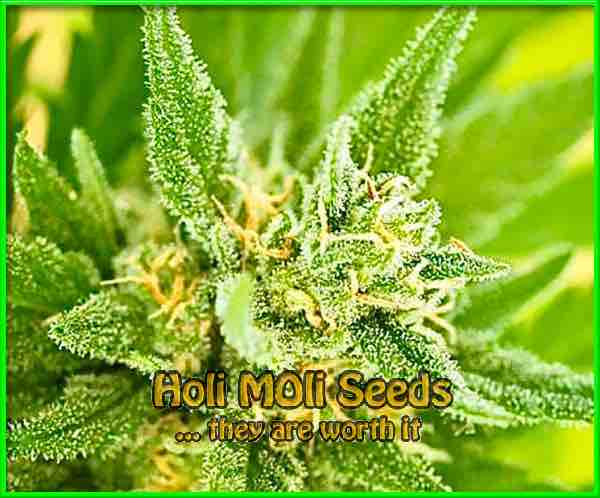
Fruity Pebbles Appearance: Dense, Colorful Buds with Heavy Resin
Fruity Pebbles buds have that loud, eye-catching look that stands out right away. They form in tight, rounded clusters with a thick, compact structure that feels firm when you break them apart. The flowers stack closely along the branches, giving them a full, chunky appearance rather than anything loose or airy. These buds develop a rich coating of sticky, glistening trichomes, creating a shiny, resin-loaded finish that gives them strong bag appeal. You’ll usually see bright green tones mixed with vivid orange hairs, creating a bold contrast across the surface.
Color expression is one of the highlights with this strain. Fruity Pebbles can show noticeable purple hues, especially as it matures. When nighttime temperatures drop late in flower, those colors can become more pronounced, bringing out deeper purples across the buds and sugar leaves.
Bud appearance changes with growers techniques, climate, grow formulas, and drying / curing.
The Eliminator Kills Mildew and Mold on contact.
Kills insects and their eggs within seconds.
What are the highest THC strains?
- Fat Bastard - With up to 38% THC this Hybrid is the highest THC strain around. Big Fat Buds!
- Godfather OG - With THC levels up to 34% This old school strain is a great choice.
- Gush Mints - New and exciting with THC levels up around 33% +. Tight frosty nuggets.
- Velvet Lushers - High THC at 33% +. A great yield, easy to grow. Good looking bud!
WANT MORE Strains in Stock
Download our full list of Holi Moli Genetics
Are Marijuana Seeds Legal to Own or Sell?
DEA Says YES according to emails from the DEA, marijuana seeds have no THC content so the schedule 1 drug laws would not apply to marijuana seeds.
Where can I buy seeds?
HoliMoli Seed bank provides great value, fresh high-quality seeds. We have the best strains, Landrace strains, Feminized strains, fast strains, CBD or Autoflowering strains, Whether you call them weed seeds, hemp seeds or beans. We have the seeds you're looking for And We Are Located in Oregon, USA. Get Them TODAY
Call (458) 324-1137 To Order Thank You