

Death Star Seeds
DTHST


Strength: High + |
Duration: 3 Hours + |
|---|---|
| 22% - 27% | |
| 0.37% |
THC percentages can vary with
growers techniques, conditions,
and grow formulas.

Death Star Seeds Feminized - In Stock
For Every $50 Seed Purchase - GET 2 FREE SEEDS
FREE SHIPPING On Orders Over $50

Death Star Feminized Seeds Are:
- Feminized Seeds: Most Popular because Female marijuana plants are the only ones that produce "buds” (flowers), which contains the THC, CBN, and CBD.
- Photoperiod Seeds: For outdoor cultivation photoperiod plants are seasonal. Will usually start to flower in August. For Indoor cultivation photoperiod plants will only start to flower when it's exposed 12 hours or more of uninterrupted darkness.
What are Death Star Genetics?
Born from the legendary pairing of Sour Diesel and Sensi Star, this indica-dominant powerhouse doesn’t mess around.
Death Star THC Content: 22-27% for a Heavy Full-Body Stone
With THC levels testing between 22%–27%, Death Star cannabis delivers a deep, full-body relaxation that hits hard and lingers.
Death Star Potency: The Ultimate Nightcap for Deep Relaxation
This is the kind of strain you reach for when the day is done, responsibilities are checked off, and all you want to do is sink into the couch and stay there. As the effects build, sedation creeps in smoothly, often leading to a calm, uninterrupted sleep, making Death Star feminized seeds a go-to choice for nighttime use and serious unwinding.
Death Star Strain |
|||
|---|---|---|---|
 |
|||
| Sour Diesel | X | Sensi Star | |
 |
|||
| DNL | X | Unknown Mostly Indica | |
| X | |||
| Original Diesel | |||
| Indica | Sativa | ||
| CBD | Hybrid | ||
 Genealogy
You'll be glad you got your Death Star seeds from Holi Moli. Where service and quality is #1.
What Are The Effects of Death Star?
Users Reviews:
Euphoric: 93%
Relaxed: 91%
Happy: 88%
Sleepy: 83%
Tingly: 79%
Munchies: 73%
Couch-Locked: 72%
The Death Star High: Potent Pain Relief and Nighttime Sedation
This legendary, indica-leaning powerhouse is all about deep euphoria and full-body takeover, and it’s known to be a bit of a creeper, so don’t let the slow start fool you. The high builds gradually, then rolls in with a heavy wave of happiness that melts everything away, leaving you feeling deeply euphoric, relaxed, and undeniably happy.
As it settles in, the body effects keep stacking, muscles loosen, a warm tingly sensation spreads, and that unmistakable couch-locked vibe takes over in the best way possible.
The munchies tend to hit hard, making snacks feel absolutely necessary, and as the experience deepens, things shift into a seriously sleepy, laid-back zone. This isn’t a strain for staying productive or energized, it’s the kind you save for after a long day when you want to shut everything down and sink into the moment.
Smooth, indulgent, and heavy in all the right ways, this classic favorite is loved because it takes its time, then hits fully, delivering a slow-building, blissed-out high that makes it impossible not to enjoy.
Responsible marijuana use within one's tolerance levels can produce pleasant effects- avoid excessive intake.
Can Death Star Help Medically?
Users Reviews:
Chronic Pain: 94%
Insomnia: 91%
Stress: 85%
Anxiety: 80%
Depression: 74%
Loss of Appetite: 69%
Inflammation: 53%
Medical Benefits of Death Star: Relief for Chronic Pain and Insomnia
This heavy-hitting classic is the kind of strain people reach for when lighter options just aren’t doing enough. The effects sink in slowly, then spread through the body with a warm wave of euphoria that instantly lifts your mood and takes the pressure off.
It’s deeply calming without feeling harsh, making it a favorite for dealing with chronic pain, inflammation, sore joints, and those everyday aches that won’t quit. As it builds, muscles noticeably relax and tension fades, helping the whole body finally let go.
Mentally, it does a great job of quieting everything down while still keeping the vibe positive and uplifting. It’s a go-to for stress, anxiety, and depression, helping racing thoughts slow down and that heavy mental weight feel easier to deal with. Some people also turn to this strain for ADD/ADHD when they’re trying to slow things down at night, as well as PTSD-related stress and mental tension, especially when it’s time to unwind and get some rest.
This strain is commonly used for insomnia, helping the mind and body settle down when it’s hard to shut off at night. It’s a go-to for those who struggle with falling asleep or staying asleep, making it easier to fully relax and get the rest they need.
Another big reason people love this indica is the appetite boost. If food hasn’t sounded appealing, it usually doesn’t take long before hunger comes roaring back, and it tends to help settle nausea at the same time.
While many users report relief, cannabis affects everyone differently. Reported effects are based on consumer experiences and may vary from person to person. Always consult a healthcare professional before using cannabis medically.
How Does Death Star Taste?
Users Reviews:
Fuel: 84%
Skunkiness: 73%
Earthy: 72%
Sweetness: 69%
Citrus: 68%
Death Star Terpene Profile: Skunk, Diesel, and Earthy Undertones
This classic kush-dominant smoke comes through rich and aggressive from the first pull. Expect a strong gassy, diesel inhale layered with loud skunk, followed by deep earthy kush notes and a subtle sweetness that keeps the smoke smooth. A faint touch of citrus on the back end adds just enough brightness to round it out.
That profile is driven by myrcene for earthy depth, caryophyllene for a spicy kick, and limonene for a light citrus lift. The exhale is thick, rich, and lingering, gassy, skunky, and earthy with a sweet citrus finish that hangs in the air.
How Does Death Star Smell?
Users Reviews:
Pungent: 87%
Diesel: 83%
Musk: 81%
Pine: 79%
Fuel: 7%
The Pungent Scent of Death Star: A Powerful Funk of Jet Fuel and Citrus
The scent on this legendary indica is impossible to ignore. While it’s growing, the aroma is seriously pungent, filling the space with sharp diesel and fuel notes layered with classic skunk and a deep musky funk that’s impossible to miss.
Crack open a bud and it gets even better. Earthy kush comes through first, followed by a touch of pine and a faint sweetness that rounds everything out. That bold profile is driven by myrcene for the earthy musk, caryophyllene for that dank, spicy edge, and pinene adding a fresh piney bite. Gassy, skunky, and unmistakable, this is one of those aromas that hangs in the air and lets you know exactly what you’re dealing with.
The Death Star Terpene Profile & Dominant Terpenes
« Myrcene « Caryophyllene « Limonene « Pinene «
Death Star Terpenes
Terpenes creates the scents and flavors - they vary depending on the growing conditions, curing process, and individual plant phenotypical expression.
Death Star Strain Difficulty: What Every Grower Should Know
Grower Feedback
The Death Star strain is an old-school indica favorite that’s moderately easy to grow, making it a solid choice for beginners who want something forgiving but still rewarding. It performs well indoors and outdoors, stays short to medium in height, and develops a sturdy, easy-to-manage structure.
Flowering Time 56-63 Days
-- Outdoor Grow (Full Sun / In Ground) --
Height: 5-6 Ft Plus
Yield: 1 1/2 - 2 Plus lbs. Cured
How to Grow Death Star Strain: A Step-by-Step Cultivation Guide
Mold & Pest Resistance of Death Star
This heavy-hitting indica cannabis strain produces thick, compact buds that pack on serious resin. Growers appreciate its natural resistance to mold and pests, but those tightly packed flowers can still trap moisture deep inside if conditions aren’t dialed in. Keeping proper ventilation and maintaining stable humidity becomes especially important as harvest gets closer. To stay ahead of problems before they start, many growers work Holi Moli Eliminator into their routine. It helps guard against pests and common issues like powdery mildew and bud rot without putting stress on the plant.
How to Germinate Death Star Seeds
Getting this resilient plant started the right way sets the foundation for a strong grow. This cannabis plant benefits from early root development, which helps support its bud-heavy production later on. Follow Holi Moli’s germination and transplanting guide to encourage quick sprouting, strong taproots, and steady early growth. When roots establish early, plants tend to grow more evenly, recover faster from stress, and build a solid structure heading into flower.
Nutrient Sensitivity
This high-yield cannabis strain responds best to a balanced feeding approach rather than heavy nutrient pushing. Overfeeding, especially nitrogen during flower, can throw off pH and impact terpene expression. Keep things steady and avoid going too aggressive. Be sure to grab a bottle of Holi Moli Juice it’s got everything your plants need from veg to flower in one bottle and was made specifically for cannabis plants, helping support strong growth while keeping resin production and flavor on point.
Odor Control
Once this resin-coated plant starts flowering, the smell becomes strong and fills the space quickly. Expect a bold mix of pungent gas, earthy skunk, and that classic kush funk that lingers. Indoors, a carbon filter paired with solid ventilation is a must if you want to stay discreet. Outdoors, give your plants some space from neighbors because once those resin-heavy buds begin developing, that aroma travels.
Stretching & Canopy Management of Death Star
Death Star indica strain tends to stay more compact but it will still show moderate stretch once flowering begins. Branches push outward and begin stacking tight bud sites early, so staying ahead of structure is important. Indoor growers can expect the plant to increase in height by about 25% to 50% after switching to 12/12, so plan for some stretch after the flip. Pro Tip: Flip to 12/12 when the plant is around 20–24 inches tall around week 5–6 to stay ahead of the stretch and maintain an even canopy.
Branch Support for Death Star
As Death Star moves deeper into flower, those heavy, resin-coated buds start adding noticeable weight to the branches. Because of the tight, heavy structure, branches can begin to lean as harvest approaches. Using stakes, trellis netting, or plant yoyos helps keep everything upright and allows the plant to focus on finishing strong instead of supporting heavy colas.
Indoor to Outdoor Transition
Planning to take your plants from indoors to outdoors? Getting that transition dialed in is what keeps them from jumping into early flower. Keep your indoor light schedule around 14 to 15 hours so outdoor daylight doesn’t shock them. Don’t put plants straight into full sun, as that can burn the leaves. Start in partial shade, then slowly increase sun exposure over a few days. A light-colored shade cloth can help ease them into stronger light.
Keep in mind, a drop in light duration of 25% or more will trigger flowering, and there’s no reversing it. For example, going from 18 hours indoors to about 13.5 hours outdoors in early spring hits that 25% drop and can push plants into flower. Always check your local daylight hours and do the math before moving them outside.
Death Star in Mediterranean Climates: Full Sun, Thick Buds & Heavy Yields
Death Star grows extremely well in Mediterranean climates where consistent sunlight and lower humidity help those closely packed buds finish clean. This heavy indica strain benefits from warm daytime temperatures that support steady growth, while the drier air helps reduce moisture buildup inside its tight, compact flowers.
Choose a location that gets strong sun from morning through late afternoon. These plants thrives under full light, but airflow is just as important. Avoid planting near walls, fences, or enclosed areas where heat and humidity can build up and air stops moving freely through the plants.
When conditions are dialed in, this high-producing cannabis strain develops a solid, sturdy structure with thick branches capable of supporting chunky, trichome-coated buds. If light exposure isn’t steady, plants may stretch and grow tall and thin, which can weaken branch structure and make it harder to support heavy buds. That stress can also increase the chances of hermie issues.
Fabric grow bags are ideal for outdoor growing in these conditions. They help regulate soil temperature, improve drainage, and keep the root zone well oxygenated during hot afternoons. Plastic pots sitting in direct sun can heat up quickly and stress the roots, slowing down overall performance.
Keep your grow bags elevated and off hot or cold surfaces to protect the root zone from temperature swings. As these plants get bigger, give them enough space so air can move between them and branches aren’t packed too tight. Not sure how to space them out? This breakdown will help.
- 10-gallon bags – allow 3.5–4 feet of space
- 15-gallon bags – allow 4.5–5 feet of space
- 20-gallon bags – allow 5–6 feet of space
Larger containers encourage stronger root systems and bigger harvests, while slightly smaller bags can help control plant size in tighter garden spaces, so choose the setup that best fits your space and growing goals.
Even in a drier climate, those weighty buds can still trap moisture as flowering progresses. Cleaning up lower growth and opening up tighter areas helps keep air moving through the branches and allows buds to dry evenly. Water early in the day so moisture doesn’t sit overnight.
Want peace of mind while those thick, resin-loaded buds finish strong? Holi Moli Eliminator is used to help keep pests and mold under control before they spread.
Death Star in Subtropical Climates: Heat, Humidity & Dense Bud Control
Death Star can grow well in subtropical climates, but managing humidity becomes especially important with this bulky bud-producing strain. Those thick, compact buds hold a lot of resin, which means moisture can build up quickly if airflow isn’t dialed in. Heat by itself usually isn’t the issue, but when it combines with humid air, conditions can turn fast if you’re not staying ahead of it.
Water early in the day so the roots have time to absorb moisture before the heat of the day sets in. This helps the plant stay hydrated during peak temperatures and reduces stress. It also gives the soil surface time to dry out before nightfall, which helps prevent excess moisture from lingering.
If temps stay above 90°F for extended periods, consider using white shade cloth during the hottest hours to reduce heat stress without blocking essential sunlight. Avoid using black shade cloth, as it absorbs and traps heat, making conditions even harsher around your plants.
Set your plants up in a location that gets full sun and consistent airflow throughout the day. Avoid enclosed areas or spots near walls and fences where heat and humidity can build up and linger around those stacked, resin-coated buds.
When everything is dialed in, this resin-rich nighttime strain develops a strong, sturdy frame with thick branches capable of supporting well-formed, trichome-covered flowers. Inconsistent light can throw off growth, causing plants to stretch and become lanky, with branches that may not hold up once buds start packing on weight. That kind of stress can also lead to hermie problems.
When growing in containers, fabric grow bags are the better choice. They improve drainage, allow fresh air to reach the roots, and help regulate soil temperature. Plastic pots can heat up quickly in direct sun, overheating the root zone and slowing down growth.
Keep grow bags elevated and off hot surfaces to protect the root zone. As plants begin to spread out, give them enough room so they’re not competing for space and air can move freely between branches. If you need a reference, follow the guide below:
- 10-gallon bags – 3.5–4 feet apart
- 15-gallon bags – 4.5–5 feet apart
- 20-gallon bags – 5–6 feet apart
Giving roots more space usually leads to stronger growth and heavier yields, while smaller containers can help keep plant size more manageable if you’re working in a tighter setup.
As flowering progresses and buds begin to tighten up, humidity becomes more of a concern. Cleaning up lower growth and opening up tightly structured areas helps let plants breathe and allows plants to dry out faster after watering or rain.
Looking to stay one step ahead of pests and mold? Grab a bottle of Holi Moli Eliminator. It’s an easy foliar spray you can add to your routine to help keep your plants clean and protected as they grow.
Death Star in Temperate Climates: Cool Nights, Dense Buds & Moisture Control
Death Star can produce strong outdoor results in temperate climates, but staying ahead of changing weather is key with this compact, indica strain. It thrives with plenty of sun and a full growing season, but cooler nights, rising humidity, and early fall rain can start working against those resin-heavy buds as harvest approaches.
For the best start, germinate your seeds indoors in early spring, then transplant outdoors once nights reliably stay above 50°F. That early head start allows plants to build a strong root system and put on size before conditions become less predictable.
Choosing the right location makes a big difference. Go with an open area that gets consistent sunlight and steady airflow throughout the day. Avoid placing plants near walls, fences, or tight corners where air can get trapped and moisture can start to build up.
With proper sun exposure and steady air movement, this cannabis strain develops thick, sturdy branches capable of supporting dense, trichome-coated buds. Poor or uneven lighting can cause plants to stretch and grow unevenly, often resulting in weaker branches that can’t support heavy buds later in flower. That added stress can also increase hermie risk.
Fabric grow bags are a solid option for outdoor growing in these conditions. They improve drainage, increase root aeration, and help regulate soil temperature better than plastic containers. Plastic pots can heat up quickly under direct sun, overheating the soil and putting stress on the roots, which can slow down growth and limit the plant’s overall development.
Keep grow bags elevated and off hot or cold surfaces so the root zone stays stable throughout the day. As plants expand, make sure they have enough room between them to stay healthy and avoid trapping moisture. If spacing feels unclear, follow the guide below.
- 10-gallon bags – space 3.5–4 feet apart
- 15-gallon bags – space 4.5–5 feet apart
- 20-gallon bags – space 5–6 feet apart
Larger containers give the roots more room to spread, which usually leads to bigger plants and heavier yields. Smaller grow bags help keep plants easier to manage when space is limited, so go with the size that best fits your setup.
As the season moves toward harvest, cooler evenings and damp air can start to linger, especially once buds begin tightening up. Watering earlier in the day gives plants time to dry before nightfall. Cleaning up lower growth and opening up crowded areas helps prevent moisture from getting trapped inside those thick buds.
If rain is expected late in the season, consider using a simple rain cover or greenhouse structure to keep the buds dry and healthy.
Want an extra way to stay ahead of potential issues? Grab a bottle of Holi Moli Eliminator. It’s an easy foliar spray you can work into your routine to help reduce the risk of pests, mildew, and bud rot as your plants develop, keeping them healthy and clean.
Growing Death Star Indoors: Dense, Resin-Rich Buds
Death Star performs extremely well indoors when the environment stays steady and humidity is kept in check. This indica-dominant strain builds a compact, sturdy structure with thick branches and tight bud sites that begin forming early in flower. When everything is dialed in, the buds finish tight, sticky, and heavily coated in resin.
Humidity control becomes especially important with this sturdy plant because of how tight the buds get. Aim for around 55 to 65% during veg, drop to 40 to 50% during early flower, and bring it down to about 35 to 40% late in bloom. As those buds start packing on weight, keeping humidity in check helps prevent moisture from getting trapped inside.
Lighting is one of the biggest factors in how your plants turn out. Weak lighting will hold them back, leading to smaller plants and underdeveloped buds, while strong lighting drives density, resin production, and overall quality. Full spectrum LEDs are ideal. Many growers run 6500K for veg and switch to 3000K or 3500K for flower, but here at Holi Moli, we’ve had great success using 6500K from start to finish to produce thick, weighty colas with bold flavor and strong bag appeal.
Keep temperatures around 75 to 80°F during lights on and about 65 to 70°F during lights off. Stable conditions help support steady growth and allow the plant to fully develop without stress.
Give plants about 2.5 to 3 feet of space so they have room to breathe and are not crowded together. 5 to 7 gallon fabric grow bags work well indoors and help maintain a strong root zone while keeping plant size manageable.
Stretch is moderate with this indoor-friendly plant. It won’t shoot up like a tall sativa, but plants will still increase in size after the flip. Staying ahead of that growth helps keep everything even. Pro Tip: Flip to 12/12 when the plant is around 20 to 24 inches tall around week 5 to 6 to stay ahead of the stretch and maintain an even canopy. Early training like topping, light LST, or using a SCROG net helps open the structure so light can reach deeper into the plant.
As flowering progresses, the smell becomes strong and fills the space quickly. Expect a mix of pungent gas, earthy skunk, and that heavy kush funk. A carbon filter is strongly recommended indoors if you want to stay discreet. Keep oscillating fans moving air through the plants and run a dehumidifier if needed to maintain stable humidity and protect those tight, heavy flowers.
How to Grow Death Star Marijuana:
- To germinate your Death Star Marijuana seeds it's best to create an atmosphere indoors of Spring time temperatures. 75F 24/7 is optimal.
- For Death Star Marijuana Indoor cultivation use topping and low stress training techniques during vegetative stage to maximize yield.
- For Death Star Marijuana outdoor cultivation make sure to choose a spot in your garden that receives at least 8 hours of direct sunlight every day and accommodates for it's size.
- Harvesting Death Star Marijuana usually takes place in early to mid-October outdoors and indoor plants about 2 months after setting lights to only 12 hrs per day.
- Curing Death Star Marijuana using the traditional method involves drying your cannabis slowly over the course of a few weeks in a controlled environment.
Death Star Strain Appearance: Dense, Resin-Rich Buds with Dark Green Hues
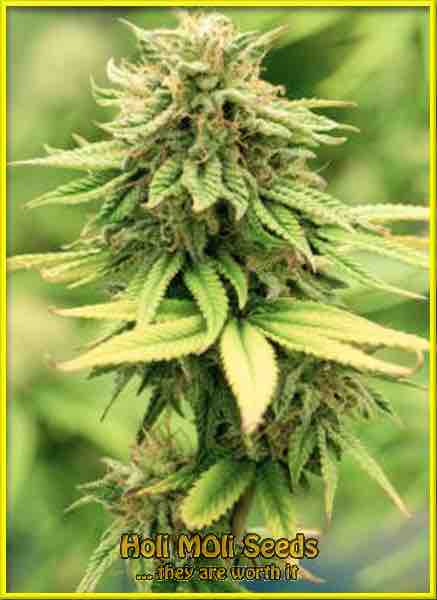
Death Star buds lean heavily into that classic indica look. They are thick, compact, and tightly packed with a solid, weighty structure that feels heavy all the way through. The flowers form in chunky clusters that stack closely along the branches, giving them a bold, heavy appearance. These buds develop a thick coating of sticky, crystal-like trichomes, creating a frosted finish that gives them that high-end bag appeal. You’ll typically see deep green tones with burnt orange pistils threaded throughout, adding contrast against the heavy resin coverage.
Color expression with Death Star genetics usually stays on the darker green side under normal conditions. When nighttime temperatures drop late in flower, you may see subtle purple shading show up in the sugar leaves or outer edges of the buds, but it’s not something you’ll always get.
Bud appearance changes with growers techniques, climate, grow formulas, and drying / curing.
The Eliminator Kills Mildew and Mold on contact.
Kills insects and their eggs within seconds.

What are the highest THC strains?
- Fat Bastard - With up to 38% THC this Hybrid is the highest THC strain around. Big Fat Buds!
- Godfather OG - With THC levels up to 34% This old school strain is a great choice.
- Gush Mints - New and exciting with THC levels up around 33% +. Tight frosty nuggets.
- Velvet Lushers - High THC at 33% +. A great yield, easy to grow. Good looking bud!