

Coma Seeds
COMA


Strength: High + |
Duration: 3 Hours + |
|---|---|
| 24% - 27% | |
| 0.2% |
THC percentages can vary with
growers techniques, conditions,
and grow formulas.

Coma Seeds Feminized - In Stock
For Every $50 Seed Purchase - GET 2 FREE SEEDS
FREE SHIPPING On Orders Over $50

Coma Feminized Seeds Are:
- Feminized Seeds: Most Popular because Female marijuana plants are the only ones that produce "buds” (flowers), which contains the THC, CBN, and CBD.
- Photoperiod Seeds: For outdoor cultivation photoperiod plants are seasonal. Will usually start to flower in August. For Indoor cultivation photoperiod plants will only start to flower when it's exposed 12 hours or more of uninterrupted darkness.
What are Coma Genetics?
Created by crossing the legendary Skunk #1 with the unmistakable Cheese, Coma is a hard-hitting indica-leaning Hybrid strain known for its pungent aroma, heavy relaxation, and long-lasting effects.
Coma THC Levels: 24%-27% Hard-Hitting and Long-Lasting
With THC levels capable of reaching impressive heights, this isn't the kind of smoke most people reach for before a busy day of work or a packed schedule.
Coma Potency: Euphoric Lift with Deep Physical Relaxation
Coma is the strain many smokers save for the evening when the day's responsibilities are finally behind them. The high often begins with a wave of feel-good euphoria before settling into a deep body buzz that makes it easy to kick back and relax.
Coma Strain |
|||
|---|---|---|---|
 |
|||
| Skunk #1 | X | Cheese | |
 |
|||
| Afghani | X | Phenotype of Skunk #1 | |
| X | |||
| Mexican Acapulco Gold x Colombian Gold | |||
| Indica | Sativa | ||
| CBD | Hybrid | ||
 Genealogy
You'll be glad you got your Coma seeds from Holi Moli. Where service and quality is #1.
What Are The Effects of Coma?
Users Reviews
Mood-Boosting: 89%
Deep Relaxation: 81%
Cerebral: 79%
Mellow: 73%
Focused: 71%
Munchies: 67%
Sedation: 64%
Coma High: Feel-Good Euphoria with Deep Physical Relaxation
This resin-packed strain is all about slowing things down and enjoying the ride. The experience usually starts with a rush of feel-good euphoria that instantly lifts the mood and puts you in a more relaxed headspace. As that happy mental buzz settles in, a deep wave of physical relaxation begins taking over, making it easy to forget about the stress and frustrations that built up throughout the day.
This isn't the type of weed strain people reach for before tackling a busy schedule or trying to stay productive from morning until night. It's the kind of smoke many save for the evening when it's finally time to kick back, relax, and enjoy some well-earned downtime. Whether you're settling in for a movie marathon, binge-watching your favorite series, gaming for a few hours, or simply hanging out with friends, this flavorful favorite makes it easy to unwind.
Many also report a serious case of the munchies once the body buzz starts settling in, so don't be surprised if a snack run suddenly sounds like a great idea. What keeps people coming back to this potent cannabis strain is the combination of uplifting euphoria, calming body effects, and long-lasting relaxation that can turn an ordinary evening into one you'll be looking forward to all day.
Responsible marijuana use within one's tolerance levels can produce pleasant effects- avoid excessive intake.
Can Coma Help Medically?
Users Reviews
Chronic Pain: 83%
Muscle Spasms: 80%
Anxiety: 76%
Appetite Stimulation: 72%
Nausea: 71%
Depression: 69%
Insomnia: 63%
Coma Medical Benefits: Relief for Chronic Pain, Stress, and Insomnia
Some strains help take the edge off. Coma is the kind of strain people reach for when they're ready to call it a day. The relaxing body effects come on strong, helping tense muscles loosen up while making it easier to settle into a more comfortable state of mind.
Chronic pain can wear a person down physically and mentally over time. Many people enjoy Coma when dealing with chronic pain, arthritis, fibromyalgia, back pain, inflammation, muscle spasms, and the everyday aches that seem to stick around no matter what. The deep body relaxation is one of the biggest reasons this strain has remained a favorite among evening smokers.
Mental stress can be just as exhausting. Many people also turn to this heavy-hitting favorite when dealing with stress, anxiety, PTSD, depression, migraines, and symptoms associated with Multiple Sclerosis. The combination of uplifting euphoria and long-lasting relaxation can make it easier to slow things down and leave the day's worries behind.
Appetite loss, nausea, IBS, Crohn's disease, and other gastrointestinal issues can make everyday life more difficult than they need to be. Many people turn to this relaxing evening strain when food doesn't sound appealing or when maintaining a healthy appetite becomes a challenge.
Sleep is where Coma really earns its name. As the effects continue settling in, many people find it easier to get comfortable, quiet a busy mind, and finally drift off for the night.
While many users report relief, cannabis affects everyone differently. Reported effects are based on consumer experiences and may vary from person to person. Always consult a healthcare professional before using cannabis medically.
How Does Coma Taste?
Users Reviews
Aged Cheese: 82%
Earthy Skunk: 79%
Spicy Pepper: 74%
Citrus: 65%
Herbal Funk: 73%
Coma Flavor: Bold Skunk, Cheese, and Earthy Funk
If you're a fan of loud, old-school cannabis flavors, this legendary skunk-and-cheese cross delivers exactly what you're looking for. The smoke hits with a bold combination of earthy skunk, aged cheese, herbal funk, and a subtle peppery bite that lingers on the tongue long after the exhale. It's the kind of flavor that instantly lets you know you're smoking real cannabis genetics rather than another overly sweet dessert strain.
A lot of that unmistakable taste comes from its terpene profile. Caryophyllene helps bring out the spicy, peppery notes, while myrcene adds a deep earthy richness that gives the smoke its smooth, full-bodied character. Limonene rounds everything out with a touch of citrus brightness that keeps the flavor from becoming too heavy.
How Does Coma Smell?
Users Reviews
Sharp Amonia: 82%
Musky Dampness: 80%
Savory: 76%
Zesty: 74%
Black Pepper: 73%
Coma Aroma: Loud, Pungent, and Impossible to Ignore
This skunk-and-cheese powerhouse isn't shy when it comes to aroma. Crack open a jar and you're immediately hit with pungent skunk, funky cheese, earthy musk, and a sharp herbal bite that cannabis lovers instantly recognize. Caryophyllene helps create the spicy notes, myrcene adds deep earthy richness, and limonene brings a subtle citrus brightness to the mix.
By late flower, these plants can get incredibly loud. The grow room quickly fills with waves of skunk, cheese, earth, and funky herbal aromas that are nearly impossible to ignore. If you're looking for a discreet cannabis strain, this definitely isn't it.
Coma Terpene Profile & Dominant Terpenes
« Caryophyllene « Myrcene « Limonene « Pinene «
Coma Terpenes
Terpenes creates the scents and flavors - they vary depending on the growing conditions, curing process, and individual plant phenotypical expression.
Coma Strain Difficulty: What Every Grower Should Know
Grower Feedback
Coma is considered a beginner-friendly cannabis strain and a solid choice for first-time growers looking for a forgiving plant. It performs well both indoors and outdoors, can handle small mistakes, and doesn't require expert-level growing skills to produce impressive results.
Flowering Time 56-70 Days
-- Outdoor Grow (Full Sun / In Ground) --
Height: 6 Ft Plus
Yield: 1 1/2 - 2 Plus lbs. Cured
How to Grow Coma: A Step-by-Step Cultivation Guide
Mold & Pest Resistance of Coma
Those thick, chunky buds are one of the things people love most about Coma, but they're also the reason airflow becomes so important later in flower. Dense flowers can hold onto moisture longer than many growers realize, especially when humidity starts creeping up or air circulation isn't where it should be.
A little attention to the environment goes a long way with a strain like this. Keeping humidity under control, maintaining good airflow, and avoiding damp conditions around the canopy helps create a much less inviting environment for mold, mildew, and bud rot.
Looking for a little extra protection? Holi Moli Eliminator helps eliminate common garden pests like spider mites, aphids, and thrips while also helping protect plants from mildew and other moisture-related issues.
Stretching & Canopy Management of Coma
This isn't the kind of plant that's going to stay exactly where you left it once flowering begins. The first few weeks after the flip can bring more growth than some people expect, which is why getting ahead of the canopy early usually pays off.
Cleaning up crowded interior growth also improves airflow through the canopy as the flowers continue filling in.
Pro Tip: Many indoor growers switch to a 12/12 flowering schedule around week 5–6 while plants are still roughly 20–24 inches tall. Making the transition before the stretch gets rolling helps keep the canopy easier to manage later in flower.
Nutrient Sensitivity
This isn't usually a particularly heavy feeder, so more nutrients don't automatically mean better results. Going easy on the nitrogen during flower and checking runoff pH occasionally can help avoid problems later in the grow.
Looking for a simpler feeding routine? Holi Moli Juice is a cannabis-specific formula designed to support healthy growth from veg through harvest without the need for multiple bottles.
How to Germinate Seeds
Heavy flowers and thick branches don't happen by accident. Follow Holi Moli's germination and transplanting guide to promote strong taproot development, fast sprouting, and healthy early growth from day one.
Branch Support for Coma
Don't wait until branches are already bending before thinking about support. Coma is known for producing dense, heavy flowers, and those branches can end up carrying more weight than they first appear. Trellis netting, plant yoyos, or simple garden stakes can help keep everything upright before sagging branches become a problem.
Indoor to Outdoor Transition
Thinking about getting a head start indoors before moving plants outside? Running your lights around 14–15 hours per day from the beginning can make the transition much easier later on. Matching indoor light schedules more closely to natural outdoor daylight helps plants adjust with less stress once they're moved outside.
Don't rush them straight into full sun. Plants raised indoors need time to adjust to the intensity of natural sunlight. Starting them in a partially shaded area before gradually increasing sun exposure helps prevent unnecessary stress while giving the leaves time to adapt. We recommend using a light-colored shade cloth during the transition period.
Be careful with sudden reductions in light hours. A drop of roughly 25% or more can be enough to trigger flowering. For example, moving plants from an 18-hour indoor light schedule to roughly 13.5 hours of outdoor daylight can be enough to push them into flower prematurely.
Odor Control
Quiet isn't exactly the first word that comes to mind with this aroma. Before long, the grow room starts filling with notes of earthy funk, skunky hash, musky spice, and a sharp pine finish that lingers in the air. By the end of flower, that smell can become difficult to ignore.
Indoors, a quality carbon filter and dependable exhaust system are highly recommended unless you're comfortable with that smell drifting through the rest of the house. Outdoors, it's usually a good idea to give plants some distance from nearby neighbors because the aroma doesn't always stay where you expect it to.
Coma in Mediterranean Climates: Big Harvests & Heavy Resin Production
Warm sunshine and lower humidity are exactly the kind of conditions a strain like this appreciates. Mediterranean climates help create an environment where those dense flowers can develop properly while reducing some of the moisture concerns that often come with heavier bud structure.
Heavy flowers need a strong foundation beneath them. Open growing areas with sunshine throughout the day and good natural airflow usually produce the best results. Avoid fences, walls, or other enclosed spaces where heat and moisture can become trapped around the plants.
Too much shade can lead to stretching, weaker branch development, and slower growth. Keeping plants healthy and minimizing stress throughout flower can also help reduce the chances of hermie traits showing up later in the season.
Given enough sunlight, plants typically develop thick stalks and sturdy side branches that are much better prepared to support heavier flowers by harvest. When light becomes limited, branch structure often suffers, making those dense buds harder to support later on.
Hot summer weather can be tough on roots when they're growing in the wrong container. Fabric grow bags are usually the better option because they provide better drainage and do a much better job of handling heat than traditional plastic pots.
During the summer months, black plastic containers can get extremely hot sitting in direct sunlight. Fabric grow bags help reduce that heat buildup while allowing excess moisture to drain more efficiently.
Adding a layer of mulch around the base of each plant also helps hold moisture in the soil longer while protecting the root zone from excessive daytime heat.
These plants aren't shy about filling out once they get established outdoors. Giving them enough space from the beginning helps improve airflow through the canopy while allowing branches to dry faster after watering.
- 10-gallon bags – allow 3.5–4 feet of space
- 15-gallon bags – allow 4.5–5 feet of space
- 20-gallon bags – allow 5–6 feet of space
Keeping grow bags elevated and away from surfaces that absorb excessive heat during the day can also help reduce unnecessary root-zone stress.
The more room roots have to spread out, the larger these plants are likely to become. If space is limited, smaller grow bags can make size management much easier while still producing healthy, productive plants.
Dense flowers and restricted airflow are never a great combination. Even in Mediterranean climates, moisture can still linger longer than it should if branches become overcrowded. Cleaning up lower growth and lightly opening up the canopy helps improve airflow while creating better drying conditions around the flowers.
Watering earlier in the day also gives the soil more time to dry before cooler evening temperatures settle in.
Even in drier climates, problems can still show up when conditions are right. Holi Moli Eliminator provides another layer of protection against common garden pests along with mold, mildew, and bud rot.
Coma in Subtropical Climates: Managing Humidity & Heavy Outdoor Growth
Coma can do very well in subtropical climates, but humidity deserves your attention once flowering gets underway. Those thick flowers can hold onto moisture longer than many growers realize, especially when warm temperatures and muggy conditions start hanging around for days at a time.
Good airflow becomes especially important in humid climates. If branches become overcrowded or moisture is allowed to linger around the canopy, mold, mildew, and bud rot can quickly become bigger concerns.
The goal is to keep moisture moving, not hanging around. Watering earlier in the day gives excess moisture more time to evaporate before evening conditions settle in.
If temperatures stay above 90°F for extended periods, a white shade cloth can help take some of the intensity out of the afternoon sun without sacrificing too much light. Skip black shade cloth outdoors. It tends to hold onto heat and can make already hot conditions even worse.
Heavy flowers need plenty of sunlight and good airflow if you want the best results outdoors. Open growing areas with sunshine throughout the day and good natural airflow usually produce the healthiest plants. Avoid fences, walls, or other enclosed spaces where heat and moisture can become trapped around the canopy.
Too much shade can lead to stretching, weaker branch development, and slower growth. Keeping plants healthy and minimizing stress throughout flower can also help reduce the chances of hermie traits showing up later in the season.
Give plants plenty of sunshine and they'll reward you with thick stalks and sturdy side branches that are much better prepared to support heavier flowers by harvest. When light becomes limited, branch structure often suffers, making those heavy buds more difficult to support later on.
Warm, humid weather can be tough on roots when they're growing in the wrong container. Fabric grow bags are usually the better option because they provide better drainage and are less likely to stay waterlogged when muggy conditions stick around for days at a time.
Adding a layer of mulch around the base of each plant also helps hold moisture in the soil longer while protecting the root zone from excessive daytime heat.
Thick canopies need a little breathing room around them. Giving plants enough space from the beginning helps improve airflow through the canopy while creating better drying conditions after watering or rain.
- 10-gallon bags – 3.5–4 feet apart
- 15-gallon bags – 4.5–5 feet apart
- 20-gallon bags – 5–6 feet apart
Keeping grow bags elevated and away from surfaces that absorb excessive heat during the day can also help reduce unnecessary root-zone stress.
Larger containers usually produce larger plants, while smaller grow bags can make size management much easier if space is limited.
Thick canopies and humid weather can create problems when airflow starts getting restricted. If branches become too crowded, moisture can linger longer than it should after watering or rain. Cleaning up lower growth and lightly opening up the canopy helps improve airflow while creating better drying conditions around the flowers.
Warm, humid weather doesn't leave much room for mistakes. Holi Moli Eliminator helps eliminate common garden pests while also helping protect plants from mold, mildew, and bud rot.
Coma in Temperate Climates: Beating Cool Fall Weather with Heavy Harvests
Coma can do very well in temperate climates, but fall weather does require a bit more attention once harvest starts getting closer. Cool nights, rain, and rising humidity can create challenges for thick flowers late in the season, especially when airflow becomes limited.
Getting these plants started indoors early is usually a smart move in temperate regions. Starting seeds during early spring gives the roots and branch structure extra time to develop before outdoor growth really gets going.
Once nighttime temperatures consistently stay above 50°F, plants can gradually transition outdoors under full direct sunlight.
Give these plants plenty of sunshine and they'll spend the season building the kind of thick stalks and sturdy branches needed to support heavy flowers by harvest. Open growing areas with good airflow usually produce the healthiest plants, while shaded corners, fences, and enclosed spaces can create conditions that hold growth back.
Too much shade can lead to stretching, weaker branch development, and slower growth. Keeping plants healthy and minimizing stress throughout flower can also help reduce the chances of hermie traits showing up later in the season.
Temperate climates can throw a little bit of everything at your plants, sometimes in the same week. Fabric grow bags are usually the better option because they handle changing weather conditions much more effectively than traditional plastic pots.
Warm afternoons and cooler evenings can be tough on roots when they're growing in the wrong container. Fabric grow bags help excess moisture drain more efficiently while reducing heat buildup around the root zone.
Adding a layer of mulch around the base of each plant also helps hold moisture in the soil longer while protecting the root zone from excessive daytime heat.
Thick canopies and heavy flowers need a little room to breathe. Giving plants enough space from the beginning helps improve airflow through the canopy while allowing branches to dry faster after watering or rain.
- 10-gallon bags – space 3.5–4 feet apart
- 15-gallon bags – space 4.5–5 feet apart
- 20-gallon bags – space 5–6 feet apart
Keeping grow bags elevated and away from cold concrete or surfaces that absorb excessive heat during the day can also help reduce unnecessary root-zone stress.
Larger containers usually produce larger plants, while smaller grow bags can make size management much easier when space is limited.
Temperate climates have a way of keeping growers on their toes late in the season. Giving plants water earlier in the day allows both the soil and lower growth more time to dry before cooler evening conditions settle in. If the canopy starts becoming overcrowded, opening things up a bit can improve airflow and create better drying conditions around the flowers.
If extended rain starts showing up close to harvest, a simple rain cover or small greenhouse can go a long way toward keeping excess moisture off the flowers during the final weeks of the season.
When cool nights and wet weather start showing up together, it's smart to have a plan in place. Holi Moli Eliminator helps eliminate common garden pests while also helping protect plants from mold, mildew, and bud rot.
Growing Coma Indoors: Heavy Resin, Loud Skunk & Couch-Lock Buds
Chasing heavy flowers and greasy resin? It all starts with your lighting. Weak lights can leave plants with loose flower structure, lower resin production, and smaller harvests. If your setup isn't strong enough to provide the intensity these plants want, you're probably leaving a lot of potential on the table.
Strong full-spectrum LEDs are hard to beat indoors. Better light intensity helps produce denser flowers, heavier trichome coverage, stronger terpene production, and the kind of sticky finish this strain is known for. Good lighting also helps plants develop more evenly from top to bottom, which can really show up when harvest time rolls around.
Many growers switch from 6500K during veg to 3000K or 3500K during flower, but here at Holi Moli we've had excellent results running 6500K from start to finish. It has consistently produced frosty flowers, healthy growth, and strong terpene production from seed to harvest.
Don't let the manageable height fool you. Once flowering begins, side branches can start filling out in a hurry. For most indoor setups, 5 or 7-gallon fabric grow bags are hard to beat. They provide better drainage, improve airflow around the roots, and help create a healthier growing environment than traditional plastic pots.
If you're comfortable with a little plant training, this strain responds very well to topping, SCROG setups, and low-stress training. These techniques help spread growth out more evenly across the canopy while improving light penetration to lower flower sites.
Cleaning up crowded lower growth also helps improve airflow through the plant and creates better conditions around developing flowers.
Pro Tip: Many indoor growers switch to a 12/12 flowering schedule around week 5–6 while plants are still roughly 20–24 inches tall. Making the transition before the canopy gets too crowded helps keep things much easier to manage later in flower.
Indoor temperatures are usually easiest to manage when daytime temps stay around 70–80°F and nighttime temperatures remain closer to 65–70°F. During veg, humidity in the 55–65% range generally works well before dropping into the 40–50% range during flower and eventually finishing around 35–40% as harvest gets closer.
As the flowers continue putting on size, humidity deserves a little extra attention. If moisture levels start getting out of hand, mold, mildew, and other moisture-related problems can show up quickly in a room that's too damp.
Quiet isn't exactly the first word that comes to mind with this aroma. Before long, the grow room starts filling with heavy skunk, earthy hash, musky spice, and a sharp pine edge that lingers in the air long after the lights go out. By the end of flower, that smell can become difficult to ignore.
Airflow matters just as much as odor control. Oscillating fans, strong exhaust circulation, and a reliable dehumidifier help keep the environment comfortable while reducing the moisture-related problems that can show up later in flower. A quality carbon filter is highly recommended unless you're comfortable with that aroma drifting through the rest of the house.
How to Grow Coma Marijuana:
- To germinate your Coma Marijuana seeds it's best to create an atmosphere indoors of Spring time temperatures. 75F 24/7 is optimal.
- For Coma Marijuana Indoor cultivation use topping and low stress training techniques during vegetative stage to maximize yield.
- For Coma Marijuana outdoor cultivation make sure to choose a spot in your garden that receives at least 8 hours of direct sunlight every day and accommodates for it's size.
- Harvesting Coma Marijuana usually takes place in through October outdoors and indoor plants about 2 months after setting lights to only 12 hrs per day.
- Curing Coma Marijuana using the traditional method involves drying your cannabis slowly over the course of a few weeks in a controlled environment.
Coma Buds: Dense, Resin-Soaked, and Loaded with Trichomes
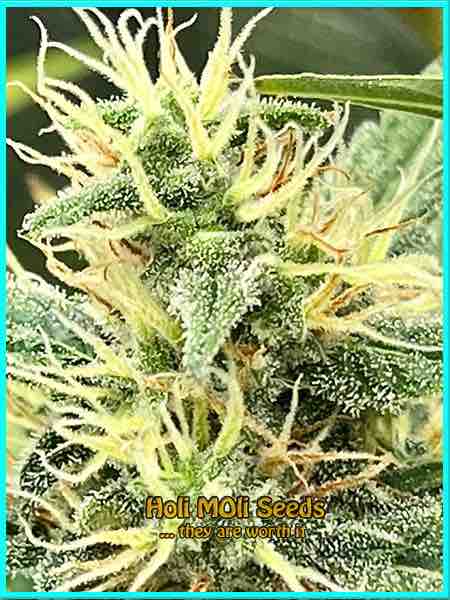
Coma buds are dense, chunky, and absolutely loaded with resin. Expect tight flower clusters covered in sparkling trichomes, bright orange pistils, and the kind of crystal-coated appearance that immediately catches your eye when the jar is opened.
Cooler nighttime temperatures late in flower can sometimes bring out hints of lavender and deep purple throughout the sugar leaves and outer portions of the buds. Under normal conditions, however, most plants remain rich green with heavy trichome coverage and excellent bag appeal.
Bud appearance changes with growers techniques, climate, grow formulas, and drying / curing.
The Eliminator Kills Mildew and Mold on contact.

Kills insects and their eggs within seconds.

What are the highest THC strains?
- Fat Bastard - With up to 38% THC this Hybrid is the highest THC strain around. Big Fat Buds!
- Godfather OG - With THC levels up to 34% This old school strain is a great choice.
- Gush Mints - New and exciting with THC levels up around 33% +. Tight frosty nuggets.
- Velvet Lushers - High THC at 33% +. A great yield, easy to grow. Good looking bud!
WANT MORE Strains in Stock
Download our full list of Holi Moli Genetics
Are Marijuana Seeds Legal to Own or Sell?
DEA Says YES according to emails from the DEA, marijuana seeds have no THC content so the schedule 1 drug laws would not apply to marijuana seeds.
Where can I buy seeds?
HoliMoli Seed bank provides great value, fresh high-quality seeds. We have the best strains, Landrace strains, Feminized strains, fast strains, CBD or Autoflowering strains, Whether you call them weed seeds, hemp seeds or beans. We have the seeds you're looking for And We Are Located in Oregon, USA. Get Them TODAY
Call (458) 324-1137 To Order Thank You